 Active Compression
 Plain Compression Socks


Compression Socks UK
Graduated compression socks and stockings for comfortable legs and better circulation, every day.

-

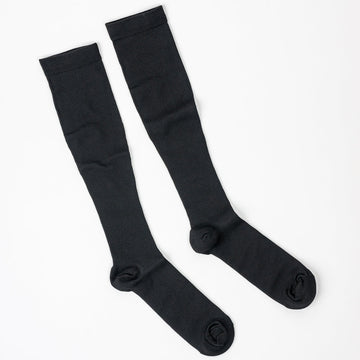 #1 Best Seller
Black Compression Socks
-29%Knee High#1 Best SellerBlack Compression Socks
-29%Regular price £19.00Regular priceUnit price per£27.00Sale price £19.00-29% -
Copper Infused
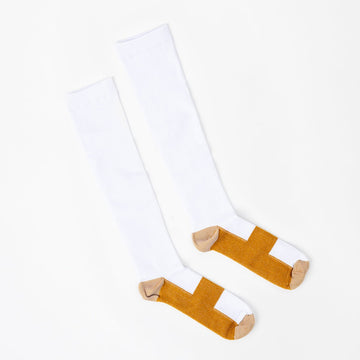
Copper Infused - White & Gold Compression Socks
-29%Regular price £19.00Regular priceUnit price per£27.00Sale price £19.00-29% -
Knee High
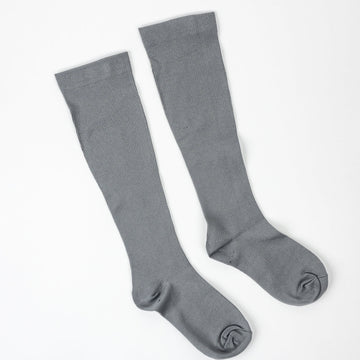
Grey Compression Socks
-29%Regular price £19.00Regular priceUnit price per£27.00Sale price £19.00-29% -

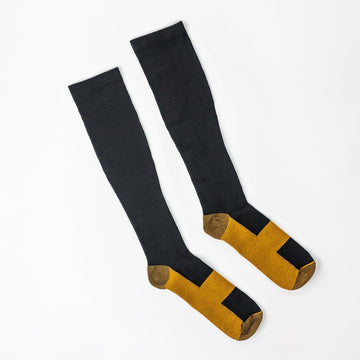 #3 Best Seller
Black & Gold Copper Infused Compression Socks
-29%Copper Infused#3 Best SellerBlack & Gold Copper Infused Compression Socks
-29%Regular price £19.00Regular priceUnit price per£27.00Sale price £19.00-29% -
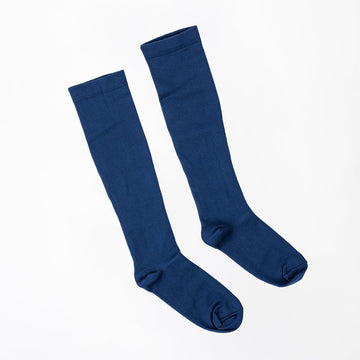
Knee High
Navy Blue Compression Socks
-29%Regular price £19.00Regular priceUnit price per£27.00Sale price £19.00-29% -
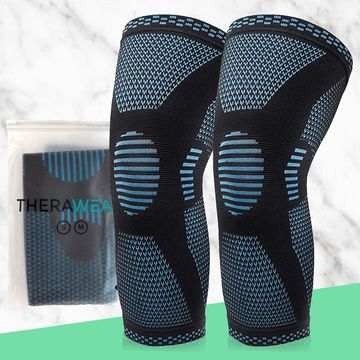
Knee Brace
Blue Knee Compression Brace | TheraKnee
-41%Regular price £14.00Regular priceUnit price per£24.00Sale price £14.00-41% -
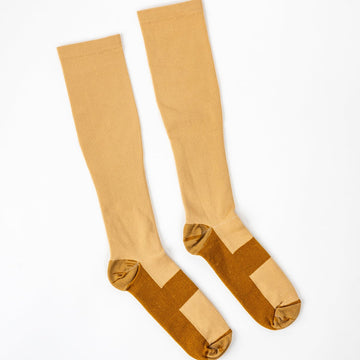
Copper Infused
Natural Beige Copper Infused Compression Socks
-29%Regular price £19.00Regular priceUnit price per£27.00Sale price £19.00-29% -
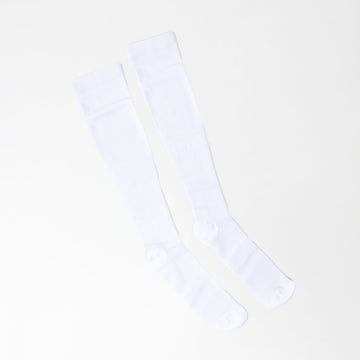
Knee High
White Compression Socks
-29%Regular price £19.00Regular priceUnit price per£27.00Sale price £19.00-29%








Feel The Difference
Trusted by 50,000+ customers for everyday leg support
Improved Circulation
Boosts blood flow
Continuous Comfort
All-day wearability
DVT Prevention
Reduces clot risk
Vein Health Support
Prevents varicose
Boosted Performance
Enhances endurance
Lighter-Feeling Legs
May help ease everyday puffiness
How Graduated Compression Works
The knit is firmest at the ankle and loosens as it climbs, so the calf muscle can push blood back up rather than let it pool. It may help ease swelling and fatigue and lower thrombosis risk. Ward staff, commuters, runners and expectant mothers wear ours every day.
-
1
Put them on
They pull on like an ordinary sock; the graduated knit does the work from ankle to knee.
-
2
Wear them all day
Comfortable across a 12-hour shift, a long commute, a training session or a recovery day.
-
3
Feel the change
Less puffiness round the ankle, far less heaviness by evening. Usually obvious within a week.
Why Choose TheraWear
See how we compare on quality, support, and value.
Why Wear Compression Socks?
Compression socks are graduated-pressure garments that apply the strongest squeeze at the ankle and gradually decrease up the calf. This design helps push blood back towards the heart, improving venous return and reducing the pooling that causes tired, heavy, or swollen legs. Many people wear 15–20 mmHg compression socks because they may help ease leg swelling, lower the risk of deep vein thrombosis (DVT) on flights, support recovery after exercise and soothe the aching of varicose veins.
Unlike generic socks, true graduated compression socks are engineered with specific pressure zones. TheraWear compression socks are built with a breathable double-stitched nylon-blend fabric that wicks moisture and lasts through hundreds of washes, so you get firm, graduated support without sacrificing comfort.
How to Choose the Right Compression Level
Compression socks come in different pressure levels measured in millimetres of mercury (mmHg). The right level depends on your needs:
15–20 mmHg (mild to moderate), The most versatile range and what TheraWear offers. Ideal for everyday wear, travel, pregnancy, standing jobs (nurses, retail, hospitality, FIFO), sport recovery, and mild varicose veins. No prescription required.
20–30 mmHg (firm), Typically recommended for moderate varicose veins, post-surgery recovery, lymphoedema management, or after a DVT diagnosis. Often requires a medical professional's guidance.
30–40 mmHg (extra firm), Prescribed for severe venous conditions. Always used under medical supervision.
For most customers, 15–20 mmHg compression socks are the sweet spot, effective enough to deliver real circulatory benefits, comfortable enough to wear from sunrise to sundown.
Compression Socks for Every Lifestyle
Travel and Flights, Long-haul flying is one of the biggest risk factors for DVT. Wearing flight compression socks keeps blood moving even when you're stuck in an economy seat for 12 hours. Put them on before you board and keep them on until you land.
Pregnancy, Swelling, varicose veins, and leg cramps are common from the second trimester onwards. Pregnancy compression socks provide gentle support that helps manage fluid retention without restricting movement.
Nurses, Healthcare & Standing Jobs, If you're on your feet for 8–12 hour shifts, medical compression socks may help ease fatigue and post-shift swelling so your legs feel fresher at the end of the day.
Running, Sport & Recovery, Athletes use compression socks during and after training to reduce muscle vibration, speed up lactic acid clearance, and cut recovery time. Explore our active compression socks range.
Everyday Comfort, You don't need a medical reason to wear compression socks. Anyone who sits at a desk all day, commutes long distances, or simply wants better leg health can benefit from daily graduated compression.
How to Care for Your Compression Socks
To keep your compression socks performing at their best: machine-wash on a gentle cold cycle, use mild detergent, and hang dry. Avoid fabric softener and tumble drying, heat breaks down the elastic fibres that provide graduated pressure. With proper care, a pair of TheraWear compression socks will maintain effective compression for 3–6 months of daily wear. If you rotate two or three pairs, each will last even longer.
Loved by Thousands of Customers
Based on 50,000+ happy customers
“You can feel the quality as soon as you put them on. Worth every cent.”
“I ordered two pairs of nude size L/XL. I’m 80 kg with large calves and they fit perfectly. Fast shipping too. Well done!”
“A lot of compression socks feel thick and hot, but these are surprisingly breathable. I wore them during a weekend trip with lots of walking and my legs felt great the whole time.”
“I own several designs but this one feels the most luxurious. Love wearing them to work.”
“I’m a teacher and wear these from morning to evening. My legs feel supported without feeling heavy.”
“I was worried it would feel bulky under clothes but it actually fits really nicely. I’ve been wearing it during long shifts and my knee feels less fatigued by the end of the day.”
“I was surprised by how soft these feel compared to other compression socks I’ve tried. They’ve definitely helped reduce that heavy-leg feeling after standing all day.”
“The compression level is just right, and they’re so comfortable to wear all day.”
Since October 2026, customers who review on our site can earn TheraWear Rewards points, whatever star rating they give.
Our FAQ
Compression Socks FAQ
They apply pressure that is deliberately uneven — firmest at the ankle, easing off as it climbs toward the knee. That gradient narrows the vein slightly and helps the calf muscle push blood back up rather than allowing it to pool. Many wearers find it supports circulation and helps their legs feel less puffy and achy by the end of the day. Every TheraWear pair is knitted at 15–20 mmHg in a breathable, moisture-wicking nylon, polyester and spandex knit.
Ward staff and carers working twelve-hour shifts, commuters standing on the Underground, expectant mothers coping with swelling, long-haul passengers out of Heathrow and Manchester, runners and cyclists recovering between sessions, trades working outdoors in the cold, office workers stuck at a desk, and anyone managing varicose veins, thrombosis risk or recovery after surgery. Heavy, tired or swollen legs are the common thread.
Everything we sell is knitted at 15–20 mmHg, which is the level that suits the greatest number of people: daily wear, travel, pregnancy, sport and milder clinical needs. It supports circulation and may help ease swelling and lower clot risk on long journeys, all without a prescription. For anything more established, ask your GP whether 20–30 mmHg or 30–40 mmHg would be more appropriate.
You need two figures: your calf at its widest, and your ankle at its narrowest point just above the bone. Check both against the size chart on the product page. The fit should feel snug and supportive, never painful — an accurate fit is what makes the graduated pressure work as intended. If you fall between sizes, go up rather than down.
They share the same graduated-pressure principle and differ mainly in length. Socks finish below the knee; stockings extend to the thigh or waist and generally arrive by way of a diagnosis. For commuting, standing work, sport and pregnancy, knee-highs cover it. TheraWear focuses on that length because it is easier to get on and considerably more comfortable to wear all day.
Very much so. Sitting still for hours is one of the clearest cases for graduated compression: it keeps blood moving while your calf muscles are inactive, which may help ease ankle swelling and lower the risk of deep vein thrombosis. Pull them on before you get to the gate rather than once you are seated, and keep them on until you land.
They are, and they are widely recommended — particularly from the second trimester onward, when swelling, thread veins and aching legs tend to become more noticeable. The 15–20 mmHg strength we use is appropriate for wearing every day. As with anything during pregnancy, check with your midwife or GP if you have specific concerns.
With regular wear and sensible care, expect 3–6 months before the graduated pressure begins to fade. Wash cold on a gentle cycle and dry them on a line or airer — tumble drying is what shortens their life, as the heat degrades the elastic fibres. When the ankle starts to feel slack, it is time for a new pair.
Yes — to every postcode in England, Scotland, Wales and Northern Ireland, with tracking included as standard. Orders over £30 are delivered free, and quicker options can be selected at checkout.
You can. Unworn pairs go back within 30 days of delivery for a full refund. Landing on the right size and strength sometimes takes two attempts, and that should not cost you anything — full details of how to arrange it are on our returns page.


